
Rain, heat, freezing temperatures, and humidity all take a toll on garage door systems day after day. If you’ve noticed performance issues during certain times of the year, seasonal weather may be the reason. So, how exactly does the weather affect garage doors?
Lakelands Overhead Door LLC provides garage door services and helps homeowners in Abbeville, SC, understand the impact of weather on these systems to keep their doors working through every season.
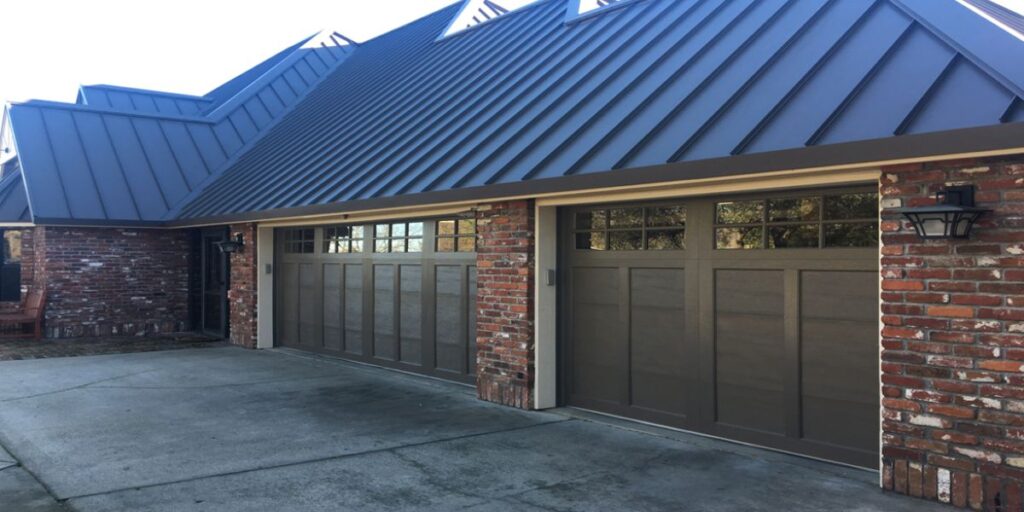
Why Weather Causes Garage Door Wear and Tear
“How does weather affect garage doors?” is a question more homeowners should ask before a small issue turns into a costly repair. Weather doesn’t just affect how your door looks but also how it functions at a mechanical level, so understanding what’s happening beneath the surface helps you catch problems sooner rather than later.
Cold Weather and Your Garage Door Springs
Temperature fluctuations are one of the most common culprits behind issues with garage doors. Metal components expand in summer heat and contract in winter cold, creating stress on springs, tracks, and hardware. Over time, this repeated expansion and contraction can place the entire system under additional stress.
Winter is especially hard on garage door springs. When temperatures drop, metal becomes more brittle and less flexible, making springs far more likely to snap under tension.
Lubricants also thicken in the cold, which increases friction throughout the system. More friction means more strain on your motor, rollers, and cables. Using a silicone-based lubricant rated for cold temperatures can make a real difference in how smoothly your door operates during the winter.
Humidity Levels, Rust, and Long-Term Damage
Moisture is a slow-moving threat to garage doors. High humidity levels create the perfect conditions for rust and corrosion to develop on metal components like springs, hinges, and tracks. Once rust sets in, it weakens the metal and shortens its lifespan.
Meanwhile, wooden doors absorb excess moisture and swell, making them harder to open and close. Eventually, the repeated swelling and drying lead to structural weakness. Even steel and aluminum panels aren’t immune to the physical stress that comes with dramatic seasonal shifts.
Here are some common signs that damage due to moisture may be affecting your garage door:
- Rust on springs or hinges: Orange or brown discoloration on metal parts means that corrosion has already taken hold.
- Sticking or grinding movement: A door that drags or makes scraping sounds may have swollen panels or corroded tracks in need of professional attention.
- Visible cracks in wood panels: Repeated exposure to damp conditions causes wood to split along the grain over time.
Addressing humidity-related issues early prevents bigger structural damage down the road. A dehumidifier inside the garage can help control moisture levels year-round.
The Weather’s Effects on Your Garage Door’s Seals and Insulation
The seals and insulation on your garage door take a beating from seasonal weather. Weather stripping deterioration is a common issue that often goes unnoticed until drafts, pests, or water start getting inside. Cracked or compressed weather stripping no longer creates an effective barrier against the elements.
Garage door insulation also plays an important role in protecting your home from temperature extremes. Learn all about garage doors to understand how insulation ratings affect energy efficiency and comfort inside your garage. A well-insulated door keeps your garage warmer in winter and cooler in summer, reducing strain on your HVAC system.
Answering “How does the weather affect garage doors?” helps you make smarter decisions about insulation, seals, and seasonal upkeep. Staying ahead of these issues saves you money and extends the life of your entire door system.
Here are a few maintenance tips to help protect your seals and insulation:
- Inspect weather stripping seasonally: Check all four sides of the door for cracks, gaps, or compression damage.
- Replace worn seals promptly: Damaged seals let in moisture, cold air, and pests that cause additional problems.
- Check insulation panels for damage: Dents or cracks in insulated panels reduce their effectiveness and require prompt repair.
Lakelands Overhead Door LLC Is Ready To Help
How does the weather affect garage doors? It impacts everything from springs and hardware to seals and insulation, making staying on top of routine maintenance a must for every homeowner.
If you’re dealing with any of these common problems, our team is ready to help. At Lakelands Overhead Door LLC, we specialize in keeping garage doors performing reliably through every season in Abbeville, SC. Call us at (864) 941-7313 to schedule service with our team.